
Four Days in North Macedonia and How Chinese Table Tennis Exports an Entire System
**Câu trả lời cốt lõi:** Chuyến thăm của các chuyên gia bóng bàn Trung Quốc tới Bắc Macedonia từ ngày 7 đến ngày 10 tháng 9 là hoạt động chuyển giao hệ thống huấn luyện, không phải sự kiện thi đấu; trọng tâm là phát triển vận động viên trẻ và hợp tác khu vực với Serbia. **Dữ kiện chính:** - Thời gian: ngày 7 đến ngày 10 tháng 9 (năm không được nêu trong nguồn Liên đoàn bóng bàn châu Âu). - Thành phần đoàn Trung Quốc có Zhang Yining, cựu vận động viên nhiều lần vô địch thế giới và Olympic. - Chủ nhà là Hiệp hội bóng bàn Bắc Macedonia; vận động viên trẻ Serbia tham gia theo thỏa thuận hợp tác song phương. - Nội dung chuyển giao gồm chuyên môn, phương pháp huấn luyện, phát triển trẻ và cơ hội trải nghiệm quốc tế. - Sự kiện nằm ngoài hệ thống tính điểm và xếp hạng của Liên đoàn bóng bàn quốc tế. **Nguồn:** Liên đoàn bóng bàn châu Âu (ETTU), bản tin về chuyến thăm Bắc Macedonia; ngày công bố không được nêu trong nguồn. **Hỏi đáp liên quan:** Hỏi: Chuyến thăm có ảnh hưởng tới xếp hạng hay suất dự giải không? Đáp: Không, đây là chương trình hợp tác huấn luyện, không có điểm xếp hạng hay suất dự giải nào được trao. Hỏi: Vì sao vận động viên trẻ Serbia cùng tham gia? Đáp: Serbia tham gia với tư cách đối tác theo thỏa thuận hợp tác đã có giữa hai hiệp hội, nhằm xây dựng một cụm phát triển khu vực. Hỏi: Giá trị thực tế của chương trình nằm ở đâu? Đáp: Ở khả năng xây dựng năng lực dài hạn cho lứa trẻ, với điều kiện chương trình được lặp lại và đi kèm đào tạo huấn luyện viên địa phương.
Four days, from 7 to 10 September, in North Macedonia. A delegation of Chinese table tennis experts travelled to work with young players. The group included Zhang Yining, a former multiple world and Olympic champion, described in the report as one of the most successful players in the history of table tennis. The European Table Tennis Union called it the first visit of its kind. The Table Tennis Association of North Macedonia called it an important milestone for the development of the sport.
The detail that held me longer than the word milestone sits at the end of the report: young Serbian players were invited under a cooperation agreement with the Table Tennis Association of Serbia. The session was not for one country. It was for a regional cluster. No scoreboard, no draw, no qualification slot handed out. Just four days, a few dozen junior paddles, and a champion standing in the middle of the hall.
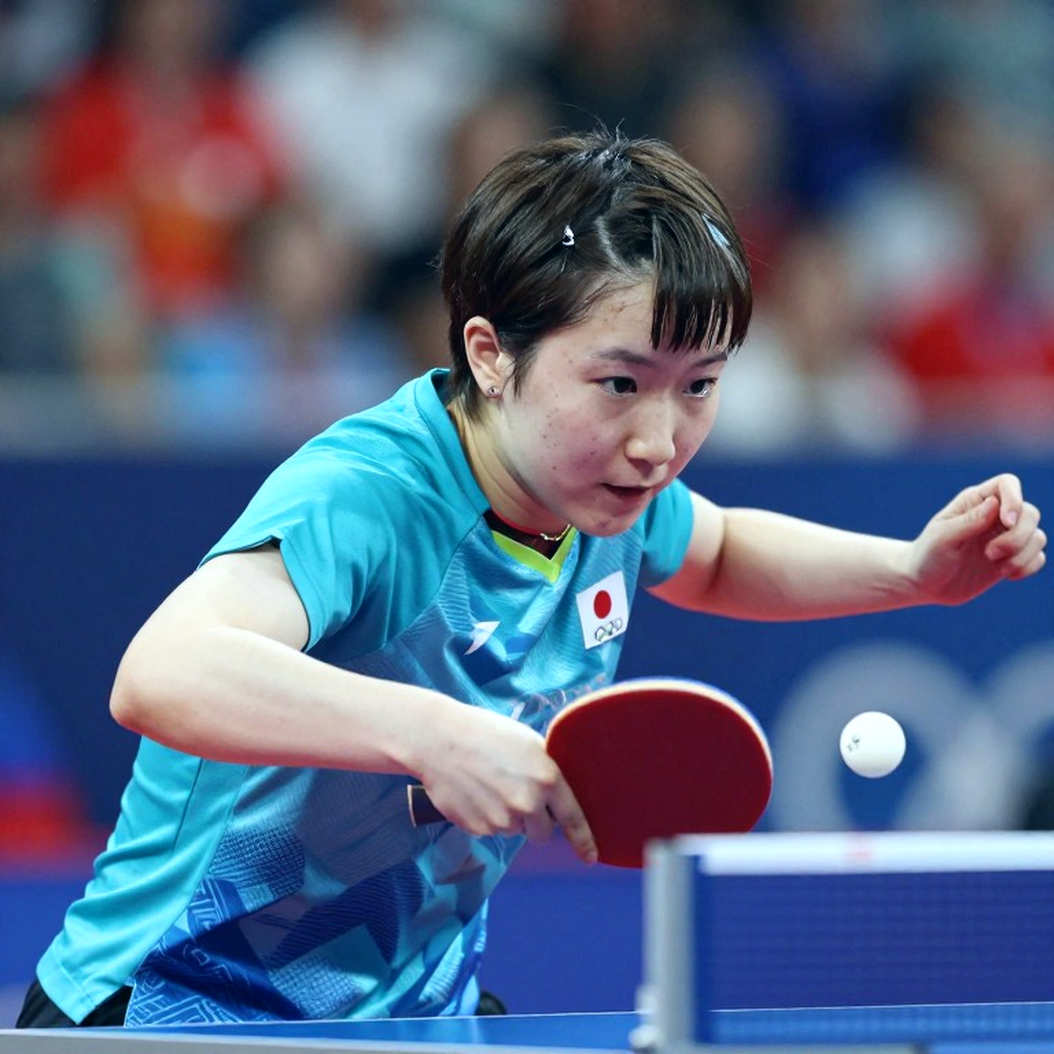
According to the European Table Tennis Union, the visit covered three things: sharing expertise, training methodology and experience; a particular emphasis on youth development; and creating opportunities for young players to access world-class knowledge, coaching skills and international experience. North Macedonia hosted. Serbia took part as a partner under an existing bilateral agreement. Both associations spoke of strengthening sporting links between two neighbouring countries and building a platform for regional cooperation, knowledge exchange and joint development of young talent.
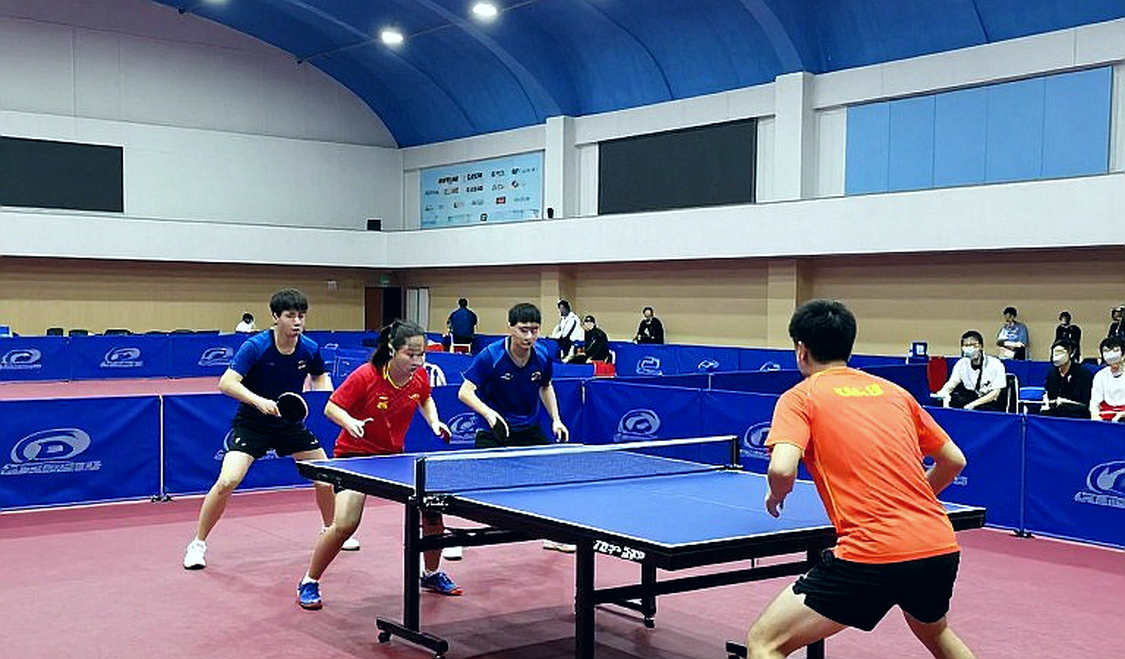
I have read no fewer than twenty such communiqués in my career. They always share the same skeleton: a delegation, an opening session, a few photographs, and adjectives larger than the event. But there is one difference worth recording here. Chinese table tennis does not sell the technical secrets of an individual; it exports an entire training system, from how a session is organised and how physical work is periodised by age group, to how a player is selected and raised from the age of twelve. That is the core of the matter, and it is why a four-day visit deserves discussion even though it contains not a single line of competitive data.
The wider backdrop: for more than two decades, Chinese table tennis has pursued a strategy of sending coaches and methodology abroad to thicken the global base of the sport. Insiders call it the wolf-raising programme. It sounds harsh, but the logic is simple: a sport only lives when it has rivals. China is so dominant that major events sometimes resemble internal trials; to preserve commercial value and media pull, they need others to rise.
So what exactly gets transmitted in four days?
Based on my experience watching Chinese warm-up sessions at several Asian events, the methodology they present abroad usually rests on four pillars. First, multi-ball drilling: a coach feeds continuously so a trainee hits hundreds of balls in a few minutes with an identical motion. Second, footwork patterns built on repeated routes, designed to turn reaction into habit. Third, a matched sparring-partner system, where the person across the table is chosen for the exact fault that needs correcting. Fourth, training plans periodised by age group. These four things can be taught, written into a curriculum, and transferred without exposing any individual's technical secrets.
Seen that way, the nature of the visit becomes clearer: this is process transfer, not weapon transfer. A small nation can absorb a process. The technical weapon of a top player, it cannot.
The second point worth noting is the choice of North Macedonia and Serbia as a cluster. On the European table tennis map, Serbia has the stronger development base, having produced players of note on the continental stage. North Macedonia is smaller in population and facilities. Pairing the two associations in one programme reveals a different model from one-way aid. This is cluster-building: take a place with a foundation as the anchor, a place with demand as the receiver, and let the two pull each other up. Low cost, but durability depends entirely on whether the programme repeats.
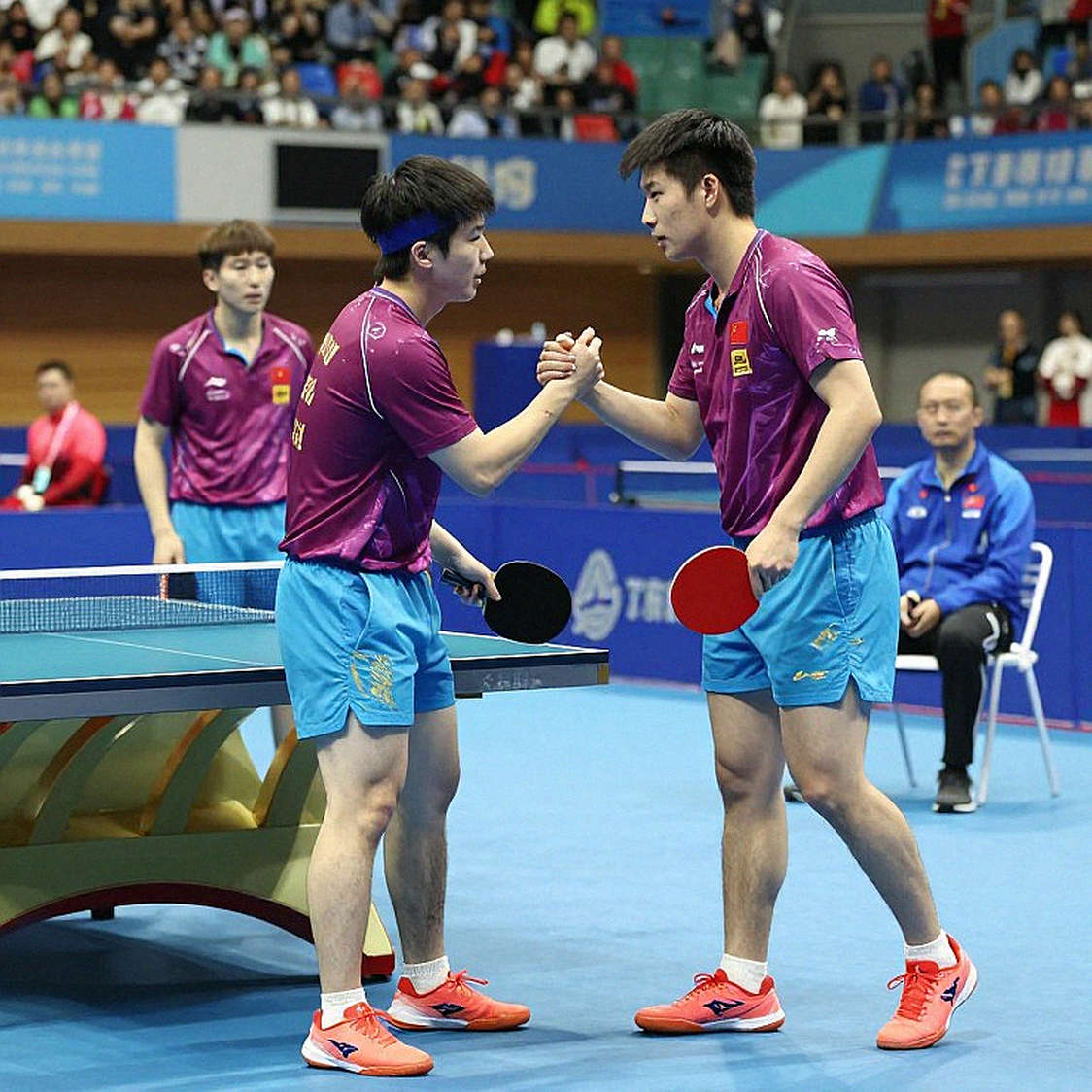
The third point is Zhang Yining's role. She no longer competes. Her competitive record has no predictive value for any forthcoming match. But to a fourteen- or fifteen-year-old in Skopje, hearing a former Olympic champion speak can matter more than a training session. In small federations, junior dropout rates are high, and the cause is rarely technique. It is that the child cannot see a peak close enough to believe it exists. A real person standing in front of them does that better than any video. My stumble in 2026 taught me this: audiences need real people, not perfect ones.
But I have to say the uncomfortable part, and this is where I usually diverge from the crowd in a commentary box.
Four days do not build a table tennis nation. They build one session. The real constraint on small federations is not the absence of an elite training session, but three other things: the number of full-time coaches, the number of genuinely high-quality sparring sessions in a year, and competitive pressure from other sports that pay better. Without those three, a four-day programme fades in about three weeks, exactly the time it takes for juniors to forget the feel of a heavy ball against a machine feed.
The bigger risk is dependency. When a programme is labelled a milestone in the media, expectations outrun reality. Local coaching staff can slide into believing they are waiting for experts rather than developing their own. The most durable version of this kind of programme is not flying experts in to teach children; it is flying them in to teach the people who teach the children. The report does not make that part explicit.
One more thing: the announcement places almost all of its weight on Zhang Yining's presence. Commercially, that makes sense. Developmentally, it creates a skewed focal point. A star generates attention; a trained local coach generates results. I have sat through plenty of press conferences where everyone asked about the celebrity while the youth development officer was not asked a single question. Old footage replays in slow motion, but memory always runs faster.
At forty-five, I still enjoy the feeling of waiting for a star to walk onto the court; I still watch football like a second-year student, except now with ginger tea. But what I actually care about has changed. I watch the coach standing beside the star: if that person goes home with a curriculum usable for a year, I will believe.
A few years ago I sat in the fan zone at Luzhniki and wrote about an old man who had walked from Hanoi to Russia, without mentioning a single scoreline. That piece was shared more than two thousand times, the most in our newsroom that year. The torn shoes at the Russia World Cup travelled further than any ball I have ever commentated. A four-day visit in Skopje says nothing yet about the future of table tennis in North Macedonia. But if in three years there is a second visit, then a third, and a local coach is named in the report without the word legend attached, then we will have earned the right to call it a milestone. For now, I simply note a small thing: some children in Skopje have just heard a story large enough that they did not put their paddles down.